One of the first signs that your vehicle may need a transmission service is unusual noises or vibrations. Transmissions are designed to operate smoothly and quietly, so any deviation in how it sounds or feels can be a signal for concern. Many drivers report hearing a whining or humming noise, which can indicate a transmission problem.
Additionally, noticeable grinding or shaking, especially upon accelerating, suggests the need for a professional evaluation. If left unchecked, these symptoms could lead to further damage, requiring more extensive repairs.
Vibrations can be especially unnerving as they sometimes suggest issues beyond regular transmission maintenance. They might mean that your transmission is struggling with worn-out components or an improper alignment. The clunking noise, in particular, could be a red flag that the transmission fluid is running low or has become contaminated with debris. This fluid is vital for lubricating and cooling the mechanisms within, making its upkeep essential. To ensure the longevity and safety of your vehicle, it’s crucial to address these noises and vibrations promptly.
Understanding the root cause of these unusual sounds can help in diagnosing the problem. A qualified mechanic should carry out a thorough examination to pinpoint whether it’s a transmission service issue or another internal car problem. Sometimes, simpler issues like a low transmission fluid level can be resolved quickly and prevent further complications. However, ignoring these signs can lead to costly repairs and even compromise the safety of your driving experience. Regular transmission check-ups can preempt potential issues, saving both time and money in the long run.
Gear Shifting Troubles
Another common indication that you may need a transmission service is experiencing trouble with gear shifting. Whether it’s hesitant shifting, delayed engagement, or slipping gears, such dynamics are alarms that should not be ignored. A healthy transmission allows for seamless transitions between gears, so any hitches should encourage further inspection. For automatic transmissions, noticing a delay when shifting from park to drive might indicate a problem. These symptoms not only impact performance but can also be dangerous if left unaddressed on the road.
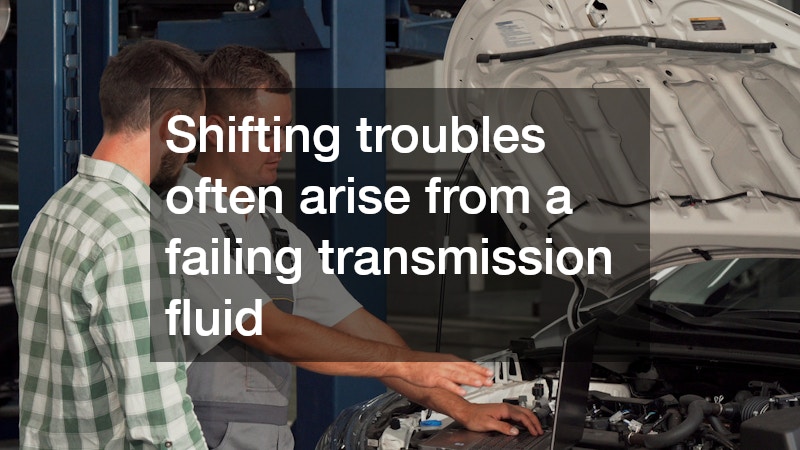
Shifting troubles often arise from a failing transmission fluid that has either become too old or contaminated. Proper transmission fluid acts as a lubricant and helps ensure smooth gear changes. When this fluid degrades, it loses its ability to perform effectively, resulting in jerky or unresponsive shifts. Routinely checking and replacing the transmission fluid as per the manufacturer’s recommendations can keep your transmission in optimal condition. Additionally, it is always beneficial to have a professional diagnose any such issues for an accurate resolution.
As gears become harder to turn, this can also indicate the presence of mechanical wear and tear. Metal parts within the vehicle can become worn out over time, leading to more serious transmission issues. Catching these problems early through an initial transmission service can prevent a cascade of failures. Regular maintenance not only resolves current issues but can also enhance the car’s lifespan. Through preventative measures, you can improve safety and maintain superior vehicle performance, giving you peace of mind on each journey.
Leaking Transmission Fluid
Leaking transmission fluid is one of the most overt signs that a transmission service is required. Transmission fluid is essential for the lubrication, cooling, and proper functioning of your vehicle’s transmission system. A noticeable puddle of red or brown fluid underneath your vehicle could signify a leak. Such leaks typically occur due to degraded seals or gaskets, or even a damaged transmission line. Identifying and fixing these issues promptly can prevent worsening damage and ensure the functionality of the transmission system.
Consistently low levels of transmission fluid will lead to ineffective operation and eventually serious damage to your vehicle. A lack of sufficient fluid causes added stress and heat on the transmission’s moving parts, accelerating wear. Consequently, a transmission service helps in diagnosing leaks and restoring fluid levels to the manufacturer’s recommended levels. Regular checking and top-ups of transmission fluid can save you from costly repairs later. Taking proactive steps can extend the life of your transmission, enhancing vehicle dependability.
A routine transmission service includes inspection of the fluid and potential leak points to catch these problems early. Careful examination can often reveal worn-out components that contribute to leaks. Seals and gaskets can be replaced before massive wear and tear creates more complicated issues. Investing in regular transmission inspections can save on future costly replacements or major repairs. By keeping a close watch and addressing issues promptly, you can ensure that your vehicle operates smoothly and efficiently.