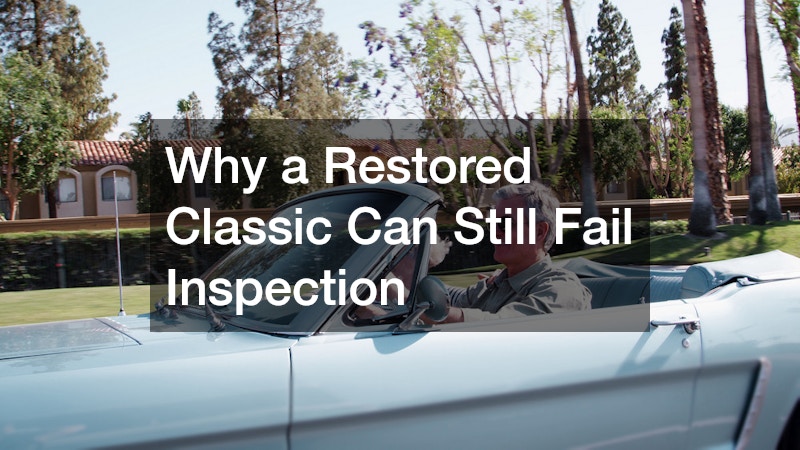
You have spent months, maybe years, and a serious amount of money bringing a classic car back to life. The engine runs strong, the paint gleams, and every panel gap looks factory fresh. So it can feel like a gut punch when that same car rolls off the inspection lane with a rejection sticker. Understanding the hidden trouble spots that inspectors look for can save you time, frustration, and another round of repairs.
Faded or Non-Compliant Window Tint
Many restorers add tint to give a classic a cleaner, more modern look, but states have strict rules about how dark windshield and front window tint can be. Older film also degrades over time, turning purple or bubbling, which can cause an automatic fail even if the darkness level was once legal. Inspectors check light transmission with a meter, and older aftermarket film rarely matches current standards.
If you are restoring a car with existing tint or planning to add some, it pays to consult a shop that specializes in auto glass tinting so the film meets your state’s legal percentage before you schedule an inspection. A reputable installer will also know which classic-specific exemptions, if any, apply to vehicles from certain model years.
- Front side windows typically must allow more light through than rear windows
- Bubbling or peeling tint is an automatic visual fail in most states
- Some states exempt pre-1970s vehicles from certain tint restrictions
- Metallic or reflective tints may violate glare regulations even if dark enough
Mismatched or Poorly Repaired Body Panels
A classic that looks stunning from ten feet away can still hide sloppy bodywork up close, and inspectors are trained to spot it. Panel gaps that are uneven, filler that has started to crack, or rust bubbling under fresh paint are common reasons a restored car gets flagged. This is especially true for cars that went through amateur bodywork rather than proper car collision repair performed to factory tolerances.
Structural integrity matters just as much as appearance here. If a previous repair used the wrong gauge metal or skipped welding in favor of adhesive alone, an inspector may flag the vehicle for safety concerns rather than cosmetics. Getting a professional evaluation before inspection day can catch these issues while they are still easy to fix.
- Uneven panel gaps often signal rushed or DIY bodywork
- Rust bleeding through paint suggests incomplete repair
- Structural welds should be inspected for corrosion resistance
- Filler thickness beyond manufacturer spec can fail some state checks
Small Dents That Were Never Actually Fixed

It is surprisingly common for a restoration to focus on big-ticket items like the engine, interior, and paint while leaving small dents and dings untouched, assuming they are purely cosmetic. Some inspection checklists, however, specifically look at body condition around lights, mirrors, and reflective surfaces, and a dent near a taillight housing can affect how it seats and seals. Investing in auto dent repairs before your final walkthrough closes this gap cheaply.
Paintless dent techniques have become popular because they preserve original paint while smoothing out minor damage, which is ideal for classics where matching paint exactly can be tricky. A small dent left alone can also trap moisture against metal, accelerating rust in a spot you just spent money restoring.
Aftermarket Audio Systems Wired Incorrectly
Swapping in a modern sound system is one of the most popular upgrades for classic car owners who want period-correct looks with modern convenience. The problem arises when the installation is not done cleanly, leaving exposed wiring near the steering column, dashboard, or pedals. Inspectors checking electrical safety can flag a car stereo installation if wiring interferes with factory components or safety systems.
A rushed installation can also drain the battery unexpectedly or create electrical shorts that affect headlights, turn signals, or gauges. Because classic electrical systems were not designed with modern amplifiers and subwoofers in mind, it is worth having the wiring routed and grounded properly rather than doing a quick weekend install.
- Exposed or exposed-splice wiring near pedals is a common inspection flag
- Improper grounding can cause dash gauges to read incorrectly
- Aftermarket wiring harnesses should be fused separately from factory circuits
- Speaker cutouts that weaken structural panels may also draw scrutiny
Worn Brake Lines and Aging Suspension Components
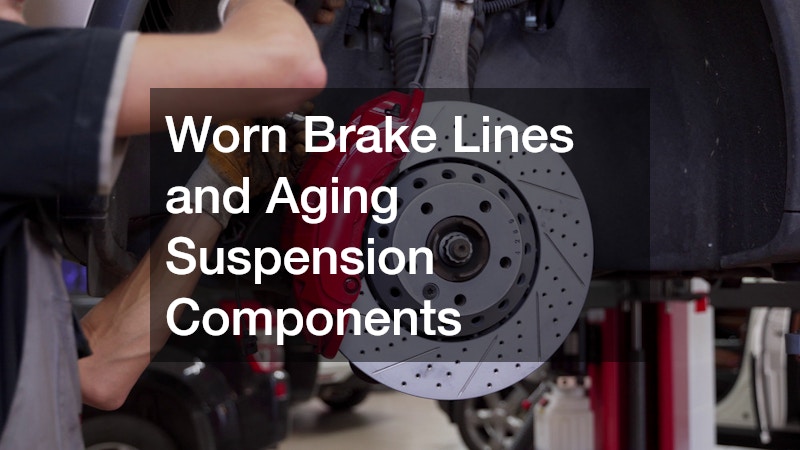
A shiny restoration can distract from the fact that brake lines, hoses, and suspension bushings do not last forever, even on a car that sits in a garage most of the year. Rubber components degrade with age regardless of mileage, and inspectors specifically check for cracking, leaking, or excessive play. Scheduling auto repair services before inspection can help identify and address these safety concerns before the appointment. This is one of the most common reasons a beautifully restored classic still fails on safety grounds.
Because these components are hidden under the car, many owners are not aware there is a problem until inspection day arrives. Scheduling a full check through one of the best auto repair services in your area before your appointment gives you time to replace anything questionable rather than scrambling afterward.
- Rubber brake lines typically need replacement every 6 to 10 years regardless of mileage
- Cracked bushings can cause noticeable failure of alignment tests
- Leaking brake fluid is an automatic fail in nearly every state
- Old suspension components can affect headlight aim, which is also inspected
Emissions Equipment Removed During Restoration
Many classic car owners remove or modify original emissions equipment during a restoration, either to simplify the engine bay or improve performance. Depending on your state and the model year of your vehicle, this can be a direct violation of inspection requirements, even for cars that qualify for historic vehicle registration. Some states offer exemptions for older vehicles, but the rules vary widely and change periodically.
It is worth checking your local regulations before removing catalytic converters, PCV valves, or other factory emissions parts, since reinstalling them after the fact can be more expensive than leaving them in place. A shop familiar with local requirements can tell you exactly what is legally required for your specific model year.
- Some states exempt vehicles older than 25 years from emissions testing
- Catalytic converter removal is illegal in most states regardless of vehicle age
- Original PCV and vacuum systems affect idle quality and emissions readings
- Documentation of exemptions should be kept in the glovebox for inspectors
Performance Modifications That Trigger Extra Scrutiny
Upgrading a classic with a modern engine, larger brakes, or a stiffer suspension is a common move, especially for owners who want to actually drive their restoration rather than trailer it to shows. The tradeoff is that heavily modified cars often draw closer attention from inspectors, who may ask for documentation proving the swap meets safety and emissions standards. Work done at reputable performance shops usually comes with paperwork that makes this process much smoother.
Without proper documentation, an inspector may treat an engine swap as unverified and fail the vehicle until you can prove the replacement powertrain is legal for your state and model year. Keeping receipts, build sheets, and compliance certificates on hand can prevent this from turning into a drawn-out dispute.
- Engine swaps often require an emissions label matching the donor engine’s model year
- Brake upgrades may need proof of compatibility with factory hydraulics
- Suspension modifications that alter ride height can affect headlight aim tests
- Keep all modification receipts together in a dedicated folder for inspections
Interior and Exterior Details That Get Overlooked
Restorations tend to focus heavily on mechanical and cosmetic perfection, but small details like mirror placement, seatbelt condition, and horn function are all part of most inspection checklists. A missing or non-functional horn, frayed seatbelt webbing, or a rearview mirror mounted incorrectly can each cause a fail on their own. These are inexpensive fixes that are easy to miss when you are focused on bigger restoration milestones.
Exterior finish matters too, and many owners now add paint protection films to guard fresh paint from chips and road debris, which is a smart move as long as the film is applied cleanly around trim and edges. Peeling or bubbled film can actually look worse than no protection at all and may raise questions during a visual inspection. Choosing an installer experienced with curved classic body lines helps avoid this problem entirely.
- Seatbelts should be checked for fraying, retraction, and buckle function
- Horns must be audible at a specified distance in most states
- Mirrors need to meet minimum size and placement requirements
- Poorly applied protective film can trap dirt and debris under edges
Skipping Professional Pre-Inspection Checks
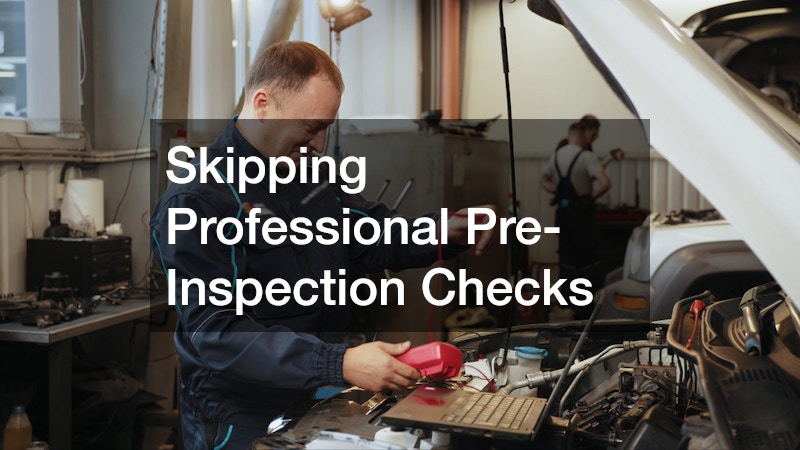
One of the simplest ways to avoid an inspection day surprise is scheduling a pre-inspection with a shop that offers comprehensive car services well before your official appointment. Booking this a week or two ahead gives you a cushion to fix problems without scrambling to rebook the state inspection at the last minute. A trained technician can catch small issues, from a loose exhaust hanger to a dim taillight, that are easy to overlook after months of focusing on bigger restoration tasks.
These walkthroughs typically cover the same checklist an official inspector uses: brake lights, turn signals, horn function, windshield wiper condition, tire tread depth, and fluid leaks. Many shops will also check things restorers commonly forget, like mismatched bulb wattage, aftermarket mirrors that don’t meet size requirements, or tinted windows that exceed your state’s legal limit. Catching even one of these early can mean the difference between a pass and a frustrating do-over.
This kind of walkthrough typically costs far less than the time and stress of failing and rescheduling. A pre-inspection usually runs somewhere between $50 and $150 depending on your region, while a failed state inspection can cost you a second filing fee, another wait for an appointment slot, and days without a legally drivable car. For a project you’ve already invested months or years into, that extra check is a small price for peace of mind.
It is also worth giving your car a final detail pass before inspection day, since a clean, well-maintained appearance can make a real difference in how thoroughly an inspector scrutinizes the rest of the vehicle. A visit to a hand car wash right before your appointment ensures grime is not hiding small cracks, leaks, or damage that a quick glance might otherwise miss.
Pay particular attention to the undercarriage, wheel wells, and engine bay, since these areas often collect years of dried oil, road salt, and debris that can mask rust spots or fluid leaks inspectors specifically look for. A hand car wash allows for a more thorough, controlled clean than an automated tunnel wash, which can leave residue in tight seams or fail to reach hidden areas around the frame and suspension components.
Do not overlook the headlights, taillights, and license plate, either. Cloudy lenses or a dirty plate can trigger unnecessary flags for lighting or registration issues that a simple wipe-down would have prevented.
Finally, schedule the wash a day or two ahead rather than the same morning, giving the vehicle time to fully dry and any temporary moisture-related quirks, like a foggy window or a sticky door seal, a chance to resolve themselves before the inspector takes a look.
- Pre-inspection checks often catch lighting and signal issues early, like a brake light drawing too much current or a turn signal flashing too fast for legal limits
- Exhaust leaks are easy to miss without a hands-on inspection, since a small manifold gasket leak can sound like normal engine noise until it’s tested under load
- A clean undercarriage makes it easier to spot fluid leaks, so budget time for a degreasing before your mechanic looks it over
- Fresh fluid trails on a clean undercarriage can pinpoint whether a leak is coming from the transmission, rear differential, or brake lines
- Scheduling a pre-check gives you time to source rare classic parts if needed, since NOS or reproduction parts for older models can take weeks to arrive
- Booking a pre-inspection a month before your actual test date leaves a buffer for reordering parts that don’t fit or arrive damaged
Restoring a classic car is a labor of love, but passing inspection requires attention to details that go beyond how the car looks parked in your driveway. From aging brake lines to overlooked wiring and emissions equipment, small oversights can undo months of hard work in a matter of minutes. Take the time to have your vehicle thoroughly checked before your appointment, address any issues early, and you will drive away with the registration sticker your restoration deserves. A careful pre-inspection check can help ensure that all of your restoration work meets the requirements needed to get your classic car legally back on the road.