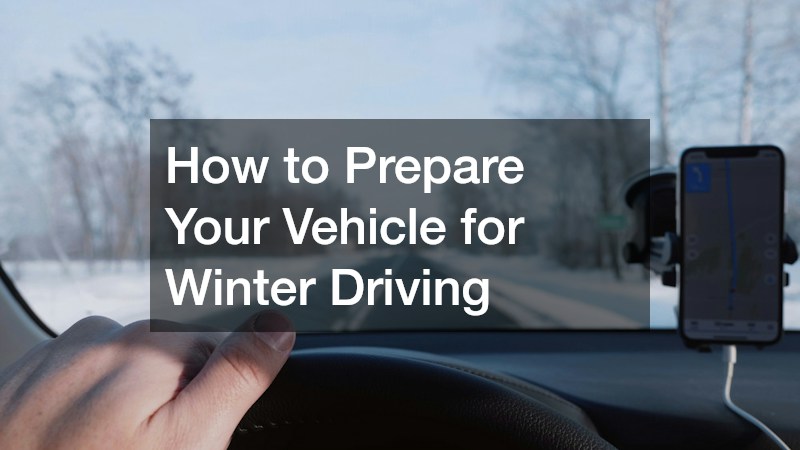
Winter brings a unique kind of beauty to the landscape, with snow-dusted trees and crisp, frosty mornings. However, for drivers, the arrival of freezing temperatures, ice, and unpredictable snowstorms introduces a host of serious challenges. The transition from mild autumn weather to the harsh realities of winter driving requires more than just tossing an ice scraper into your backseat. It demands a proactive, comprehensive approach to vehicle maintenance and preparation.
When the thermometer drops below freezing, the physical properties of your vehicle change. Fluids thicken, rubber hardens, and mechanical tolerances are tested to their absolute limits. A minor issue that might only be a slight annoyance in the summer, such as a slightly weak battery or a moderately worn tire, can quickly escalate into a dangerous breakdown in the middle of a blizzard. Preparing your vehicle for winter isn’t merely a matter of convenience; it’s an essential investment in your personal safety and the safety of everyone sharing the road with you. By taking the time to winterize your car, truck, or SUV before the first major storm hits, you can navigate the treacherous months ahead with confidence and peace of mind.
Schedule a Comprehensive Pre-Winter Checkup
The foundation of winter vehicle preparation begins with a thorough understanding of your car’s current mechanical health. Winter conditions are notoriously unforgiving. One of the most vulnerable components during a cold snap is your vehicle’s battery. Cold temperatures significantly reduce a battery’s cranking power while simultaneously increasing the amount of power the engine requires to turn over. If your battery is more than three years old, it is highly susceptible to failing on a cold morning.
Beyond the battery, belts and hoses that are perfectly fine in warmer weather can become brittle and snap when exposed to freezing temperatures. The alternator, starter, and heating systems must also be operating at peak efficiency. While some car owners are comfortable checking these components themselves, the most reliable way to ensure your vehicle is truly ready is to have a professional look it over. Booking an appointment at a reputable auto repair shop allows certified technicians to perform diagnostic tests that catch underlying issues you might miss. They can test the battery’s load capacity, inspect serpentine belts for micro-cracks, and pressure-test the cooling system, ensuring that your vehicle won’t leave you stranded when you need it most.
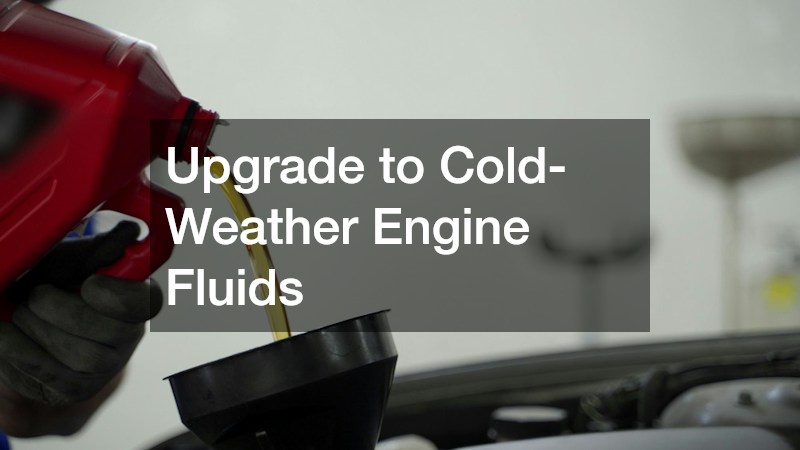
Upgrade to Cold-Weather Engine Fluids
The lifeblood of your vehicle consists of the various fluids that lubricate, cool, and power its complex systems. In winter, the viscosity, or thickness, of these fluids becomes a critical factor. Standard motor oil, for instance, tends to thicken significantly as the temperature drops. When oil is too thick, it cannot flow quickly enough to lubricate engine parts during startup, leading to increased friction and premature wear. To combat this, you should consider transitioning to a winter-grade oil. Getting an oil change featuring a synthetic formula designed for low temperatures ensures that your engine is properly lubricated from the very second you turn the key, regardless of how cold it is outside.
Engine oil is only one part of the equation. Your engine’s cooling system relies on a precise mixture of antifreeze and distilled water to prevent the fluid from freezing and cracking the engine block. You can use an inexpensive hydrometer to test the freezing point of your coolant. Additionally, do not overlook your windshield washer fluid. Make sure you drain out the summer fluid and replace it with a winter blend designed to resist freezing at sub-zero temperatures.
Ensure Smooth Shifting in Freezing Temperatures
Your vehicle’s transmission is a highly complex piece of machinery that relies on hydraulic fluid to shift gears seamlessly. Much like engine oil, transmission fluid becomes highly viscous in extreme cold. When this happens, the fluid moves sluggishly through the valve body and gears, resulting in delayed shifts, hard clunking sounds, and a general feeling of sluggishness when you first begin driving on a cold morning. It is vital to allow your vehicle a brief moment to warm up before aggressively accelerating, giving the transmission fluid a chance to circulate and reach a safe operating temperature.
Ignoring the warning signs of transmission distress in the winter can lead to catastrophic internal damage. If you notice that your vehicle is consistently struggling to shift into gear, slipping out of gear, or leaking red fluid onto the snow beneath your car, you must address it immediately. Delaying maintenance under these conditions will likely result in major auto transmission repair services later on. If your vehicle is equipped with four-wheel drive or all-wheel drive—systems you will undoubtedly rely on in the snow—make sure the transfer case and differential fluids are also checked and topped off with the correct cold-weather specifications.

Perform a Bumper-to-Bumper Safety Audit
Winter driving demands peak performance from every safety system integrated into your vehicle. Visibility is drastically reduced during snowstorms and fog, making your exterior lighting system absolutely crucial. Walk around your vehicle and ensure that every single light is functioning perfectly: headlights, taillights, brake lights, turn signals, and hazard lights. If your headlight lenses have become cloudy or oxidized over time, polish them to restore maximum light output.
Equally important is your vehicle’s braking system. When driving on slick, icy roads, your brakes need to apply even, balanced pressure to all four wheels. If one brake caliper is sticking or a rotor is warped, it can cause the vehicle to violently pull to one side and induce an uncontrollable spin on the ice. Having comprehensive auto inspections performed ensures that your brake pads have sufficient friction material, your rotors are smooth, and your anti-lock braking system (ABS) sensors are functioning correctly to prevent wheel lockup. An inspection will ensure your exhaust system is free of leaks, which is paramount in winter to prevent deadly carbon monoxide gas from seeping into the enclosed cabin while the heater is running.
Protect Your Exterior From Harsh Road Salt and Debris
Rock salt, chemical de-icers, sand, and gravel are kicked up by tires, creating a highly abrasive and corrosive environment for your car’s paint and undercarriage. Salt, in particular, accelerates the oxidation process, leading to aggressive rust that can eat through quarter panels, rocker panels, and exhaust components in a matter of a few seasons.
To defend against this, your winter preparation should include a meticulous detailing and protection strategy. Before the first snow falls, give your vehicle a thorough wash and apply a high-quality synthetic wax or ceramic coating. This creates a sacrificial barrier between your clear coat and the corrosive road spray. You should also consider having a rubberized undercoating applied to protect the exposed metal beneath the car. However, if you already have deep scratches, rock chips down to the bare metal, or bubbling paint, it is wise to consult professional auto painting services to seal those vulnerabilities. Catching and repairing these small cosmetic flaws before winter hits prevents moisture and salt from penetrating the metal and causing extensive structural rust damage.
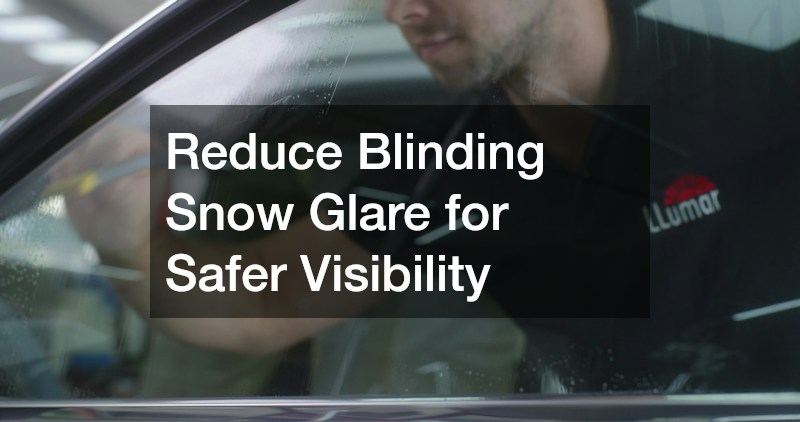
Reduce Blinding Snow Glare for Safer Visibility
Bright winter days present their own unique danger: snow blindness. When the sun reflects off a fresh, unbroken blanket of bright white snow, it creates an intense, multi-directional glare that can cause severe eye fatigue and drastically reduce your ability to see other cars, pedestrians, or black ice on the road. While polarized sunglasses are an excellent first line of defense, they do not block the light coming in from the sides of your vehicle.
One highly effective, yet often overlooked, method for combating this intense winter glare is upgrading the glass on your vehicle. Utilizing a professional car window tinting service to install a high-quality, UV-blocking ceramic film can significantly reduce the amount of harsh light entering the cabin. A proper tint helps to filter out blinding reflections without compromising your ability to see clearly during nighttime driving. Additionally, window tinting provides the added benefit of regulating cabin temperatures, helping your car retain heat slightly better on frigid days. Always ensure that the tint levels applied adhere to your local and state legal limits.
Equip Your Wheels for Optimal Snowy Traction
Of all the winter preparations you can make, none is more impactful than ensuring your vehicle is equipped with the correct tires. Your tires are the only point of physical contact between your vehicle and the freezing road surface. While “all-season” tires are popular, their name is somewhat misleading. The rubber compounds used in all-season tires begin to harden and lose their grip when the temperature drops consistently below 45 degrees Fahrenheit.
Winter tires, on the other hand, are engineered with specialized silica compounds that remain flexible in sub-zero temperatures, allowing the tire to conform to the micro-texture of the icy road. They also feature deep, aggressive tread patterns and thousands of tiny slits called “sipes” that bite into snow and quickly evacuate slush from beneath the tire to prevent hydroplaning. Visiting a dedicated tire shop before the season begins is the best way to get expert advice on the specific winter tires that fit your driving habits and vehicle model.
Outfit Your Pickup With Heavy-Duty Winter Accessories
If you drive a pickup truck, you have a powerful tool at your disposal for conquering winter terrain, but trucks require their own specific set of preparations. Because pickup trucks are designed to carry heavy payloads, their weight distribution is naturally front-heavy. When the bed is empty, the rear wheels have very little weight pressing them down, making them highly prone to losing traction and fishtailing on icy roads. To counter this, it is highly recommended to add weight—such as sandbags or specialized water-filled bladders—directly over the rear axle to improve rear-wheel grip.
Beyond weight distribution, you can maximize the utility and safety of your rig by investing in rugged aftermarket truck parts designed specifically for harsh weather. A high-quality tonneau cover will keep heavy, wet snow out of your bed and protect your cargo. Upgrading to deep-channeled rubber floor liners will protect your interior from melting snow and corrosive salt dragged in on your boots. For those in truly severe climates, adding heavy-duty recovery hooks or a front-mounted winch can transform your daily driver into the ultimate winter survival vehicle.
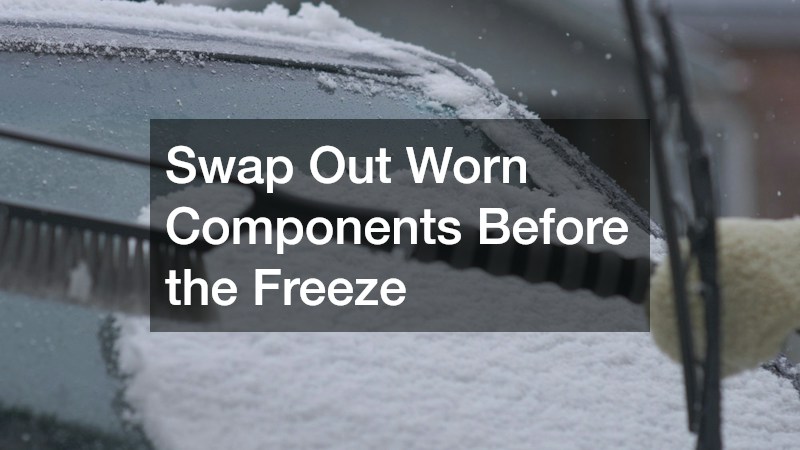
Swap Out Worn Components Before the Freeze
Winter has a way of ruthlessly exposing any neglected maintenance on your vehicle. Components that are merely starting to wear out in October will likely fail entirely by January. Therefore, the weeks leading up to winter are the ideal time to embrace preventative DIY maintenance. Start with your windshield wipers. Standard wiper blades often become stiff and tear in the cold, or their frames become clogged with frozen slush. Swap them out for winter-specific wiper blades, which feature a rugged rubber boot that prevents ice buildup on the frame, ensuring a clear windshield in heavy storms.
Next, focus on your cabin air filter. A clogged cabin filter restricts the airflow from your HVAC system, making it incredibly difficult for your defrosters to quickly clear a fogged or frosted windshield. Also, inspect all of your exterior bulbs. Considering how much driving is done in the dark during winter, upgrading to brighter LED bulbs is a smart move. Sourcing high-quality replacement auto parts now, while the weather is still cooperative, is far preferable to trying to replace a torn wiper blade on the side of the highway with cold fingers.
Plan Ahead for Unforeseen Roadside Emergencies
Even if you have followed every piece of advice, upgraded your fluids, mounted the best winter tires, and performed flawless maintenance, the unpredictable nature of winter means you could still find yourself stranded. A sudden whiteout, an unexpected patch of black ice, or another driver losing control can put you in a ditch or leave you waiting out a severe storm on the side of the highway. Because help may not be immediately available during widespread weather events, your vehicle must be stocked with a comprehensive winter emergency survival kit.
This kit should live in your trunk from November through March and must include warm woolen blankets, heavy winter gloves, a foldable snow shovel, a bag of kitty litter or sand for emergency traction, road flares, a high-powered flashlight with extra batteries, jumper cables or a lithium-ion jump starter, and non-perishable, high-energy snacks. It is also vital to keep your gas tank at least half full at all times to prevent fuel line freeze-up and ensure you can run the engine for heat if stranded. Finally, make sure you have the contact information for a reputable local towing service pre-programmed into your smartphone.
Winter driving doesn’t have to be a source of anxiety. By taking a methodical, proactive approach to preparing your vehicle, you shift the odds heavily in your favor. From ensuring your engine is protected with the right fluids to maximizing your traction with winter rubber, every step you take now pays dividends when the weather turns sour. Respect the conditions, maintain your vehicle meticulously, and equip yourself for the unexpected, and you will be ready to navigate safely through whatever the winter season throws your way.